Our Services
Plastering Services in London
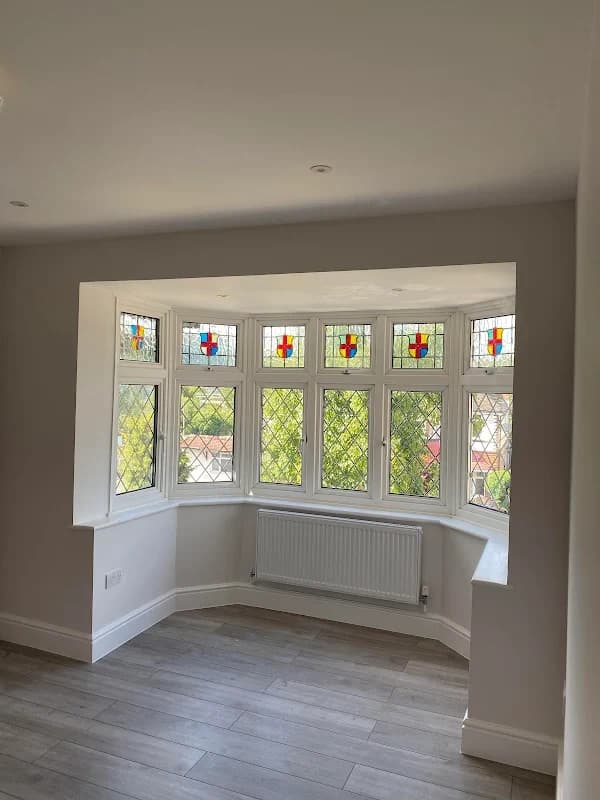
Plastering is the trade that separates a finished room from a building site. Albert Construction plasters every room we build — extensions, loft conversions, full renovations — and we take standalone plastering jobs too, from a single skim to a whole-house replaster.
What We Offer
A poor plaster job shows immediately once paint goes on — ripples, cracks, uneven joins. Our plasterers work to a flat, tight finish across every surface, because the quality of everything that follows depends on it.
Skim Coating
A two-coat skim over plasterboard or existing walls gives you a flat, paint-ready surface. We gauge the background carefully before applying — the right bonding agent on the right surface is what prevents cracking over time.
Dry-Lining & Plasterboard
Dot-and-dab onto masonry or timber-framed stud walls, taped and jointed, and skimmed to a smooth finish. Used throughout extensions and loft conversions as the standard substrate for plastering. We also install acoustic and thermal boards where the spec requires it.
Full Property Replastering
Old plaster that is blown, stained, or cracked beyond repair needs hacking off and starting again. We work floor by floor through a property, keeping dust contained, re-lathing where necessary on older timber-framed walls, and returning rooms in sequence so you can start decorating while we continue elsewhere.
External Sand & Cement Rendering
We apply render to extension walls and gable ends — scratch coat and top coat — finished flat or with a textured or monocouche painted finish. Properly applied render with the correct mix and expansion joints does not crack. We do it correctly rather than quickly.
Period & Patch Repairs
Victorian and Edwardian properties have lime-based plaster that behaves differently from modern gypsum. We match materials and techniques to the existing substrate — using NHL lime mortars for patch repairs in older properties rather than forcing a gypsum skim that will crack at the join.
Plastering Within Larger Projects
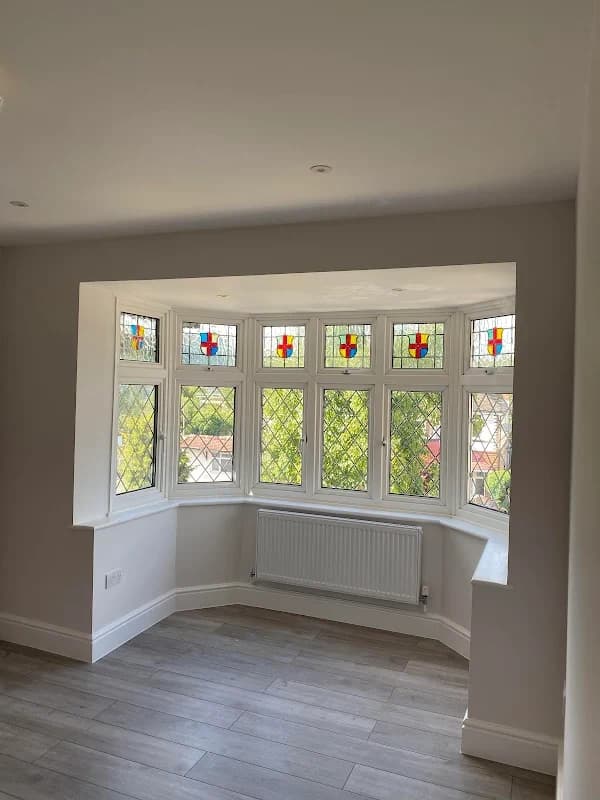
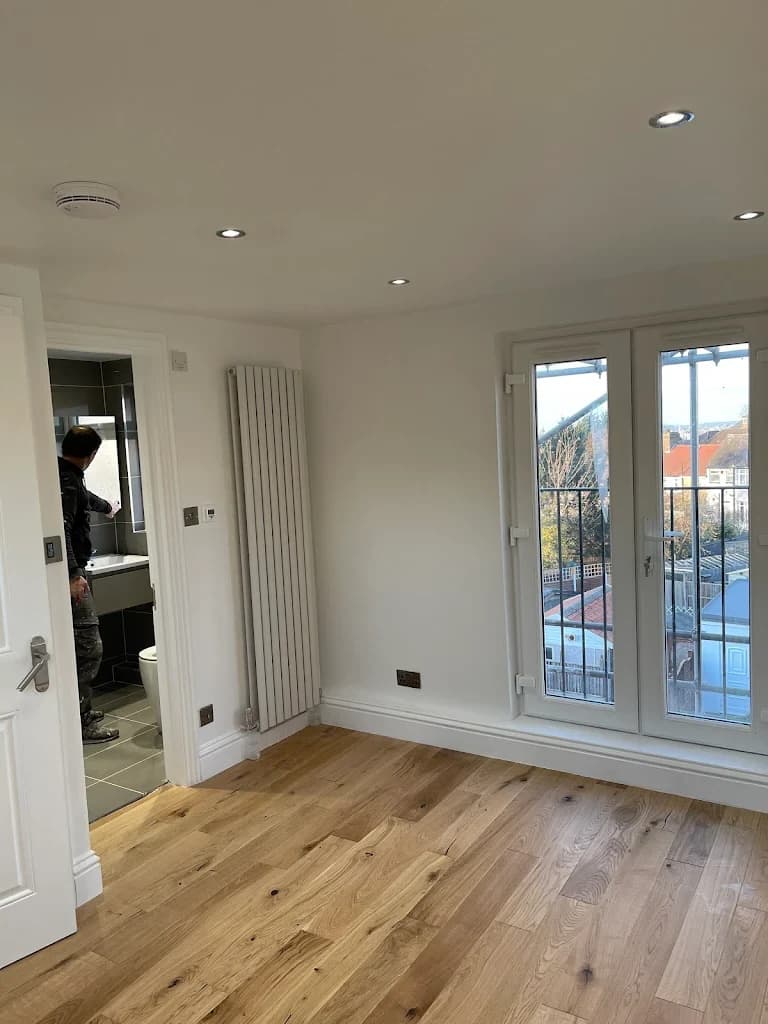
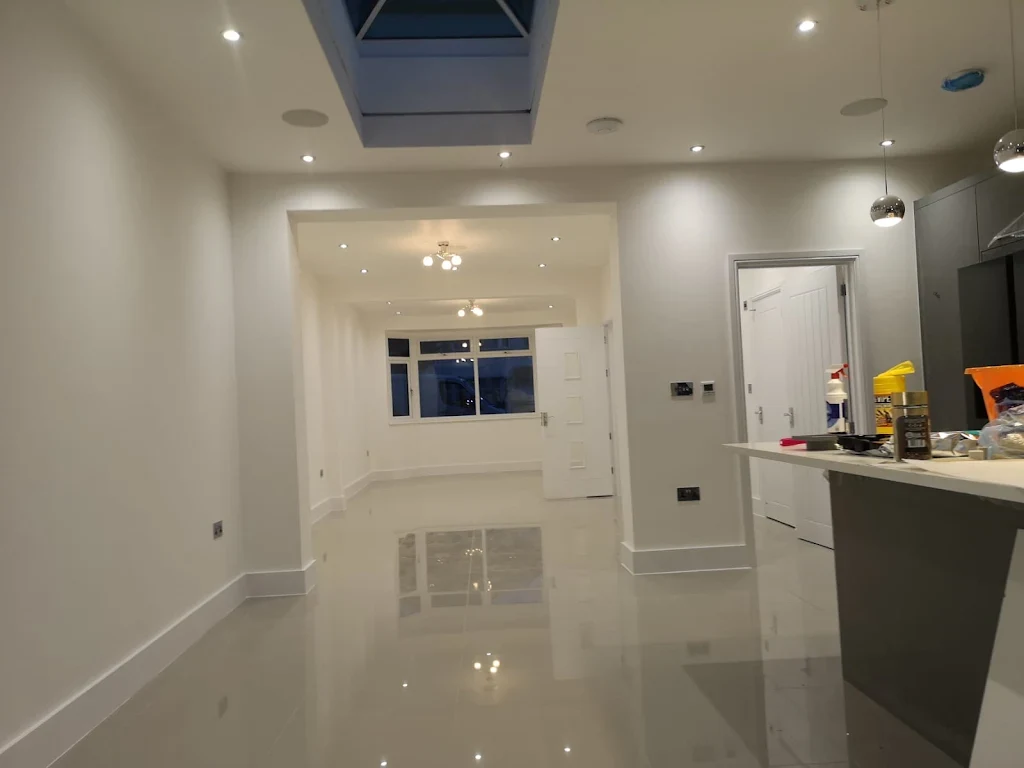
On our extension and renovation projects, plastering is the stage that makes every room feel finished. We coordinate plastering with the first-fix and second-fix sequence so there is no waiting and no rework — the right walls are boarded and plastered at exactly the right point in the programme.
Our Process
Free Site Assessment
We visit and assess the substrate — existing plaster, plasterboard, bare brick, or render — and advise on the right approach for each surface. Some walls need hacking off; others just need a skim. We tell you honestly.
Fixed-Price Quotation
Your quote covers preparation, bonding, plasterboard supply and fixing where needed, the number of coats, and finishing. Room by room, so you can see the breakdown.
Plastering in the Right Conditions
We plaster once the heating is on or the property is sealed from the weather. Plastering in cold or damp conditions causes failures — we will tell you if conditions are not right rather than pushing ahead.
Inspection & Guarantee
We check every wall under a raking light before leaving. Any patches or tram lines are dealt with before the job is signed off. Our work is covered by our 2-year guarantee.
Ltd Company
Companies House registered
£10M Insured
Public liability cover
2-Year Guarantee
Written workmanship guarantee
9.7/10 Checkatrade
29 verified reviews
Frequently Asked Questions
How long does plaster take to dry before you can decorate?
Why is my plaster cracking after it dried?
Should I skim over old plaster or hack it off?
Can you plaster around pipes and cables that have already been chased in?
Do you work on listed buildings or conservation areas?
Need Plastering Done Right?
Get a free assessment and fixed-price quotation for your plastering project. No obligation, no hidden costs.